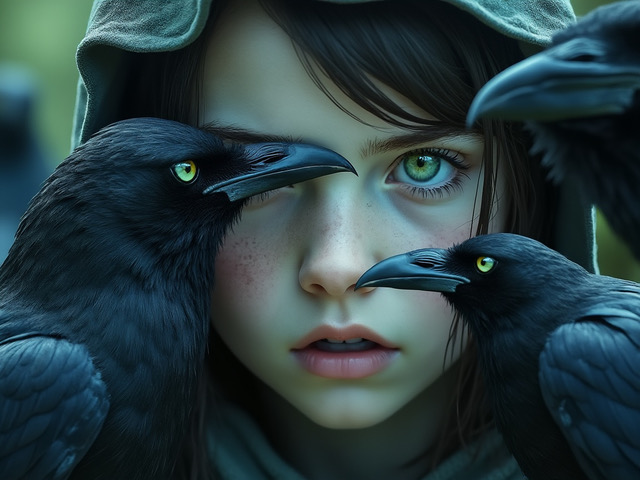
Velia Viggilanti 13 years old
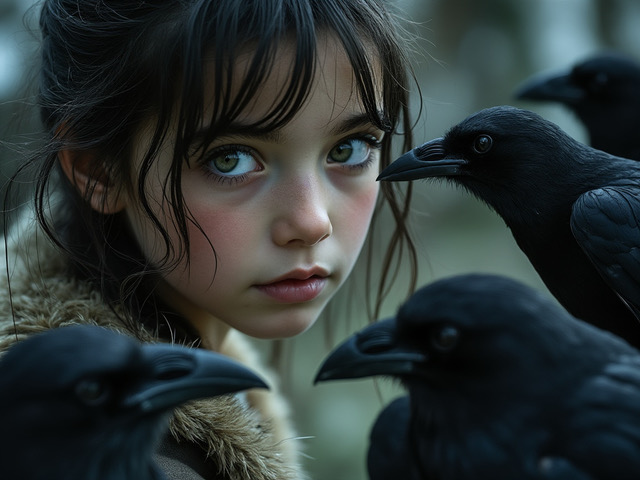
Lucia Viggilanti 12 years old
Pilot Episode : THE VIGGILANTI SISTERS
Limited Series : URBAN GOTHIC TALES
CODA:
Australian migrant histories, urban communities,
Karma, transformation, redemption, coincidence, time.
Social satire, horror-thriller, Gothic whimsy, farcical
tragedy, magical realism, historical realism, coming-of-age,
A darkly funny coming-of-age, magical realist narrative – set against an urban gothic, historical realist backdrop of 1960s Australia. This series features obscure underground sixties music, Australian fashion, food, habits, popular culture, politics, and notorious historical figures.
SYNOPSIS:
Lucia and Viviana Viggilanti are the tween sisters, the daughters of an Italian immigrant couple, growing up quickly in the grimy inner-city suburb of Rozelle in 1960s Sydney. The children are blessed (or cursed) with special gifts.
Remnants of the 1950s are still parked on the streets, and on display in dusty shop windows. This is not a nostalgic backdrop; it’s dark , a Gothic urban landscape. A dirty, cruel, crime-ridden blue-collar neighbourhood. Men are dockworkers, truckers, shopkeepers, crims or fucked up Korean war veterans. There’s no street prostitution, it’s all indoors, and everybody knows it. Women gossip in hushed tones outside grocers or before church on Sundays.
Luz and Vee’s parents are working class Italian immigrants. Carlo works at the White Bay docks as a longshoreman, working 7 days a week on rotating shifts. Silvia is a housewife who works from home as a seamstress. Silvia’s parents live in the same street, right next door.
The Irish-Italian catholic community is tight, but racism is acceptable. It’s a ‘friendly jibe’ (“it’s just a joke, you can take a joke, can’t ya?)”. Aboriginal Australians are visible, but the broader city culture and population still reflects the White Australia Policy and is strictly selective about skin tones and eye shapes. Racism is embedded in the common vernacular .
People from the suburbs flock to the city on weekends and the Rozelle/Balmain precinct is one of the main gateways to town. Here, traffic jams are common as the Glebe Island Bridge periodically rises, and ships and boats honk as they pass underneath.
It’s not unusual to find yourself standing next to Lenny McPherson or some other shady gangster at the local corner shop. Sticky caramel Cobbers are 3 for a cent…that’s 15 for 5 cents. Kid’s ears are pricked to the sound of falling change, outside the TAB and the local pubs & bars, where mangy dogs wait faithfully on the curbsides for their belligerent owners.
It’s a time when good priests do home visits. Everyone has secrets, even a priest, and dedicated nuns run schools to recruit as much as to educate.
The opening scene…
It’s a hot late spring. Luz, who is 12, and Vee, who is 13, take a shortcut. They go through a laneway behind the main street. They’re on an errand for their mother, Silvia. In the laneway, they witness the horrific sight and sound of a dog being mercilessly beaten with a leather strap. The abuser is a drunken Korean war veteran. Vee yells for him to stop, but he doesn’t. He’s lost in a sadistic rage on the helpless animal. Luz is an emotional and compassionate child with an unshakable sense of justice. She impulsively picks up a chunk of broken brick and hurls it at the man from behind to distract him. She scores a direct hit to the back of his head…he goes down hard, hitting the gutter like a sack of sand.
The bull’s-eye shot shocks Vee and Luz but Vee acts fast. She’s the thinker; a problem solver who is protective of her hot-headed little sister and good at damage control. She runs to the man to see if he’s ok and feeds him a story of what has occurred. Luz, still amazed by her direct hit follows.
Vee asks the man if he’s ok as he lies semi-conscious on the ground. She tells him a crow swooped down and knocked him off his feet.
The man struggles to stay conscious as blood oozes from his head and trickles into the pebbled ground but he doesn’t believe her. He grumbles in pain, too injured to argue. Luz supports Vee’s lie. She then turns her focus to the injured dog. The dog immediately responds to Luz’s warmth and gentle concern. Vee sees the man is seriously injured. She calls out for help. Her cries attract the attention of a small crowd of locals who appear from back doors and a street nearby.
The girls repeat the lie to the approaching adults, who appear to accept it as the truth. No one notices Lucia and Viviana Viggilanti sauntering, then running down the lane with the little dog trailing them a short distance behind.
They continue to the shops with Vee coaching Luz on the lie – in case they need to tell it. again. They don’t notice the little brown mangy dog behind them at first, but realise it’s there when it follows them into a shop. The Greek shopkeeper, Mr Stanos, yells at them to get it out.
Luz is glad the dog has followed them and wants to keep it. Mr Stanos asks where they found it. Vee lies and says it’s the first time they’ve seen it. Luz agrees. Luz feels sorry for the dog and tells Stanos it’s starving.
Vee buys her mother cigarettes and a packet of flour. She tells Luz they have enough change for a tin of ‘Champ’. This news lifts Luz’s mood.
Mr Stanos regrets his severe reaction and gives them a bag of caramel Cobbers,which cheers Luz up even more.
On the way home the dog runs ahead to a butcher’s window and sits salivating at the meat. Luz follows and cups her hands to look through the window for her friend May. May is the butcher’s daughter and she hasn’t been to school for a week. Luz and Vee are the only girls who talk to her at school. She’s always dirty and her unkempt hair smells like meat.
The butcher emerges from a back room wearing a bloody apron, holding a meat cleaver. He leers at Luz through the window and Vee pulls her away. They pretend to walk up the street but duck into to a side gate beside the shop. They have to unlock it from the top to get through. The little dog follows.
Vee puts down the string bag, and they sneak down a pathway all the way to the rear of the butcher shop. The path leads into a neglected yard full of old equipment. Luz picks up a small pebble and throws it at a first-floor window that has a child’s tattered sunflower drawing taped to it. It’s their missing friend May’s room, but there’s no response.
Meanwhile, Vee snoops around the yard. She finds May’s favourite doll discarded in a bin full of bloody sawdust and paper. Vee and Luz are surprised. They know May loves the doll. She even named it after her mother, Ivy, who has been committed to the local, notorious, Callan Park mental asylum for years.
The dog sniffs around the yard and digs at a spot behind an old outdoor loo without the sisters noticing.
The girls hear a noise and run back up the path. They retrieve the groceries and stuff the mangled doll in the bag. Then, they sneak onto the street and race home with the little dog in tow.
They enter a back gate and run across a lush yard to a back door entering a neat kitchen. Their mother, Silvia, is sewing in the living room on a pristine Singer machine. They plonk the groceries on the kitchen table, and all three boisterously enter the living room.
Silvia screams at them about the dog. She tells them to get it out of the house and take it back where they found it. The girls beg and plead with Silvia to keep it, promising to take full responsibility. After some serious emotional manipulation, Silvia’s resolve weakens, and they take the dog out to the yard to bathe it.
while washing the mysterious creature, the girls discover the dull brown dog is actually black and glossy. after some discussion, they decide to name the dog ‘Shadow’.
Silvia finds a matted, dirty doll in the grocery bag and appears at the back door with it. The girls lie and say they found it on the street on their way back from the shop. They tell her doll belongs to their friend May who’s missing. They tell their mother that it’s May’s favourite doll, that it’s named after May’s mother in the nuthouse. Silvia reminds them to keep away from May. The family’s situation makes Silvia uneasy. The girls defend May and guilt trip Silvia.
Silvia is surprised to see the dog magically transformed. The once dull brown mangy mess, is now a stunning, shiny black creature, glowing like satin in the sun. Shadow is unrecognisable. Shadow even appears to have magically changed breed. She takes a thick piece of thick red satin ribbon from her pocket and the girls tie it as a perfect bow around Shadow’s neck.
Later in the evening, a full moon hangs low in the sky and crickets chirp softly in the Viggilanti’s yard. Silvia sits on Carlo’s lap at the table in the kitchen. Dinner leftovers are still on the table. The girls are in bed with Shadow sleeping peacefully on a large pillow between them.
In the kitchen, a radio plays 60’s Australian grunge in the background. The music is interrupted by the evening news,
‘A war hero has died from his injuries, after being found semi-conscious in a lane in Rozelle, witnesses say he lost his balance when swooped by crows…’
Silvia remarks how dangerous the streets are getting and changes the station, searching for music.
Carlo reminisces about a dog he had in Italy when he was a child. They get up to clear the table together, still engaged in warm discussion. They embrace and kiss tenderly, dancing slowly, cheek-to-cheek to a romantic tune. Carlo switches off the light and they dance in the moonlight.
End of Pilot.
NB: The pilot screenplay is written
Any interest in a collaborative development of this series, please leave your contact details.
©RCutrone2024
 Benighted ©